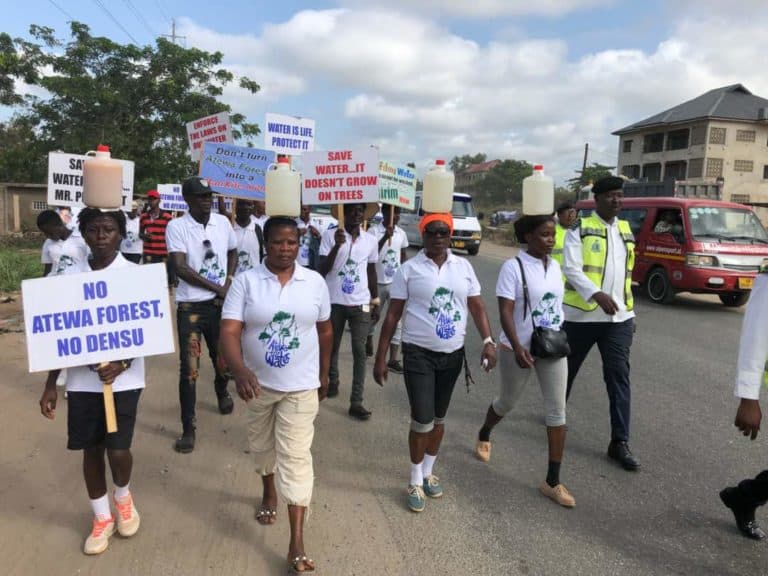
Okyehene Calls for Decisive Action to Protect Atewa Forest at Centenary of Its Gazetting
News * 2026-02-05 13:13:54
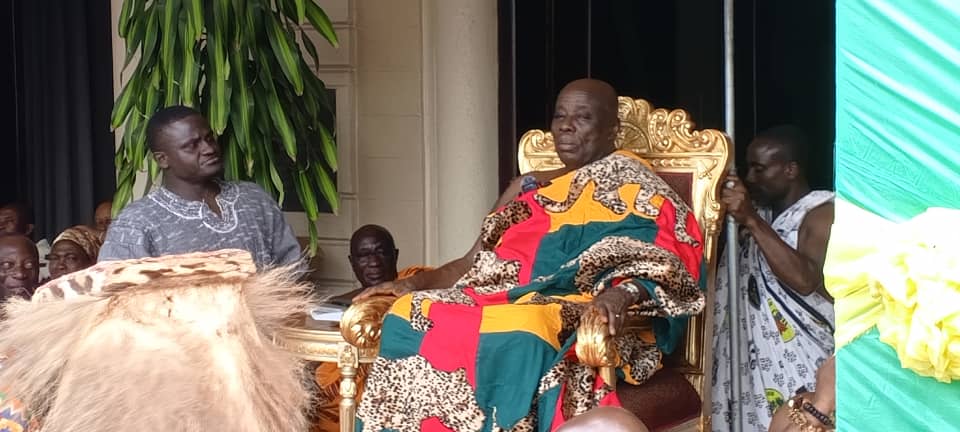
The Okyehene, Osagyefo Amoatia Ofori Panin, has issued a strong call for renewed and decisive action to safeguard the Atewa Range Forest as Ghana marks 100 years since the forest was gazetted as a protected reserve.
Speaking at Kyebi during the centenary commemoration, the Okyehene recalled that the gazetting of the Atewa Range Forest in January 1926 was a visionary decision initiated by Nana Ofori-Atta I. That foresight, he said, has sustained generations and must now inspire firmer leadership to protect the forest from escalating threats.
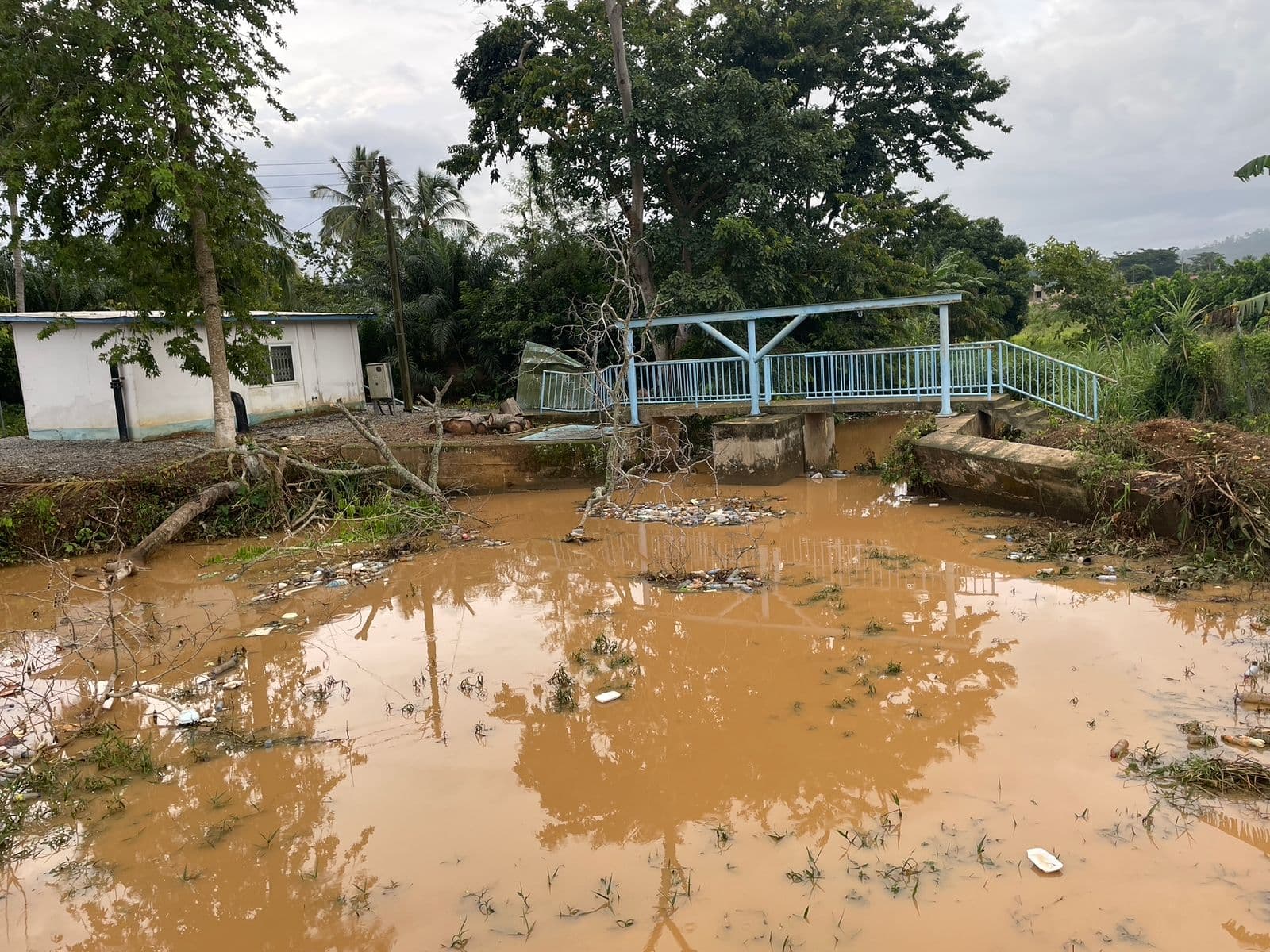
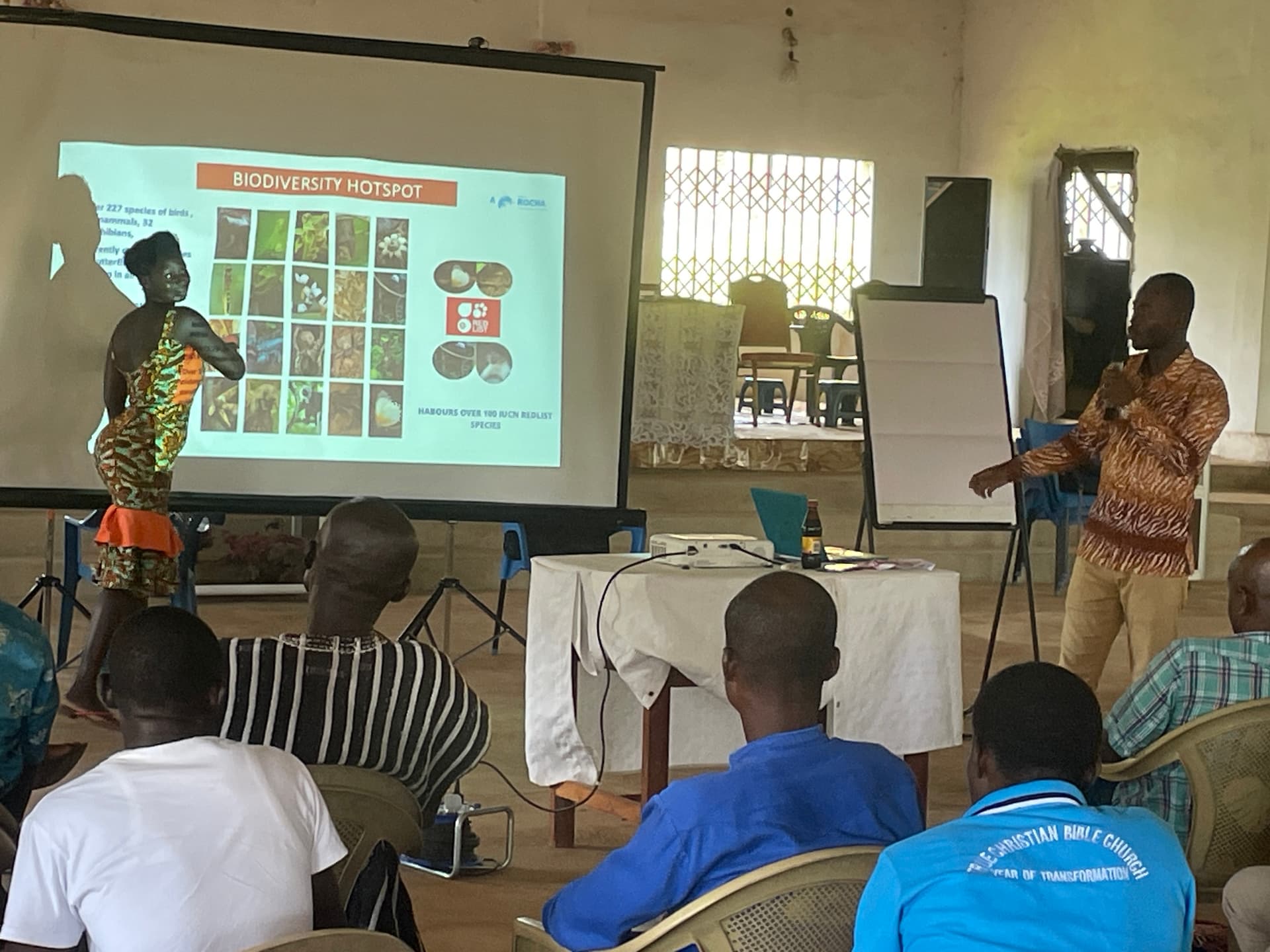
The Atewa Range Forest Reserve and its surrounding landscape span more than 52 communities across the Eastern Region. Covering approximately 255 square kilometres, Atewa lies within the moist semi-deciduous forest zone and represents Ghana’s only remaining upland evergreen forest. It is the source of three major rivers, the Densu, Birim, and Ayensu, and over 99 streams, supplying water to millions of Ghanaians and making Atewa one of the country’s most critical biodiversity hotspots.
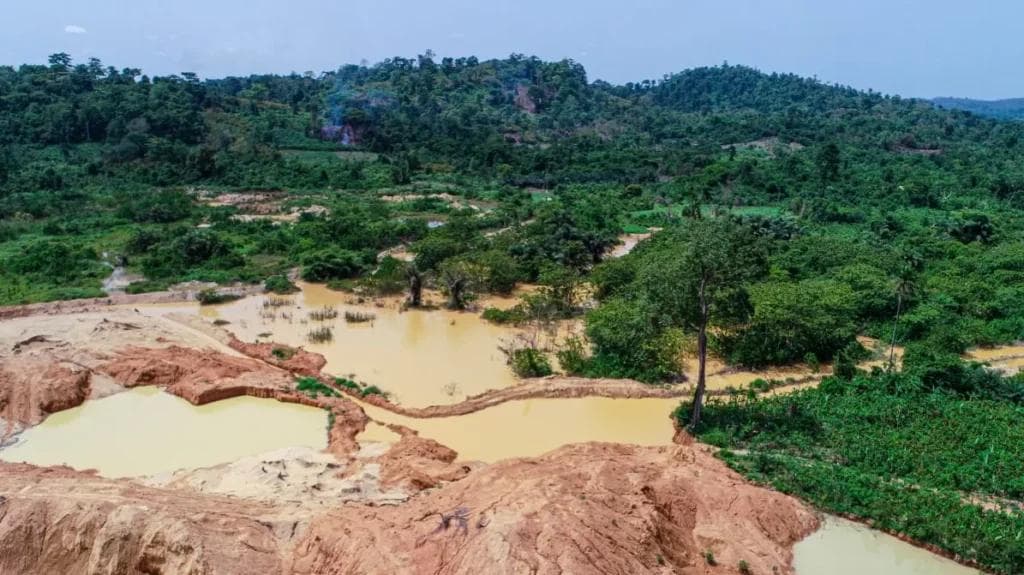
Despite its immense ecological value, the forest is underlain by bauxite, gold, and other mineral deposits that continue to fuel pressure for exploitation.
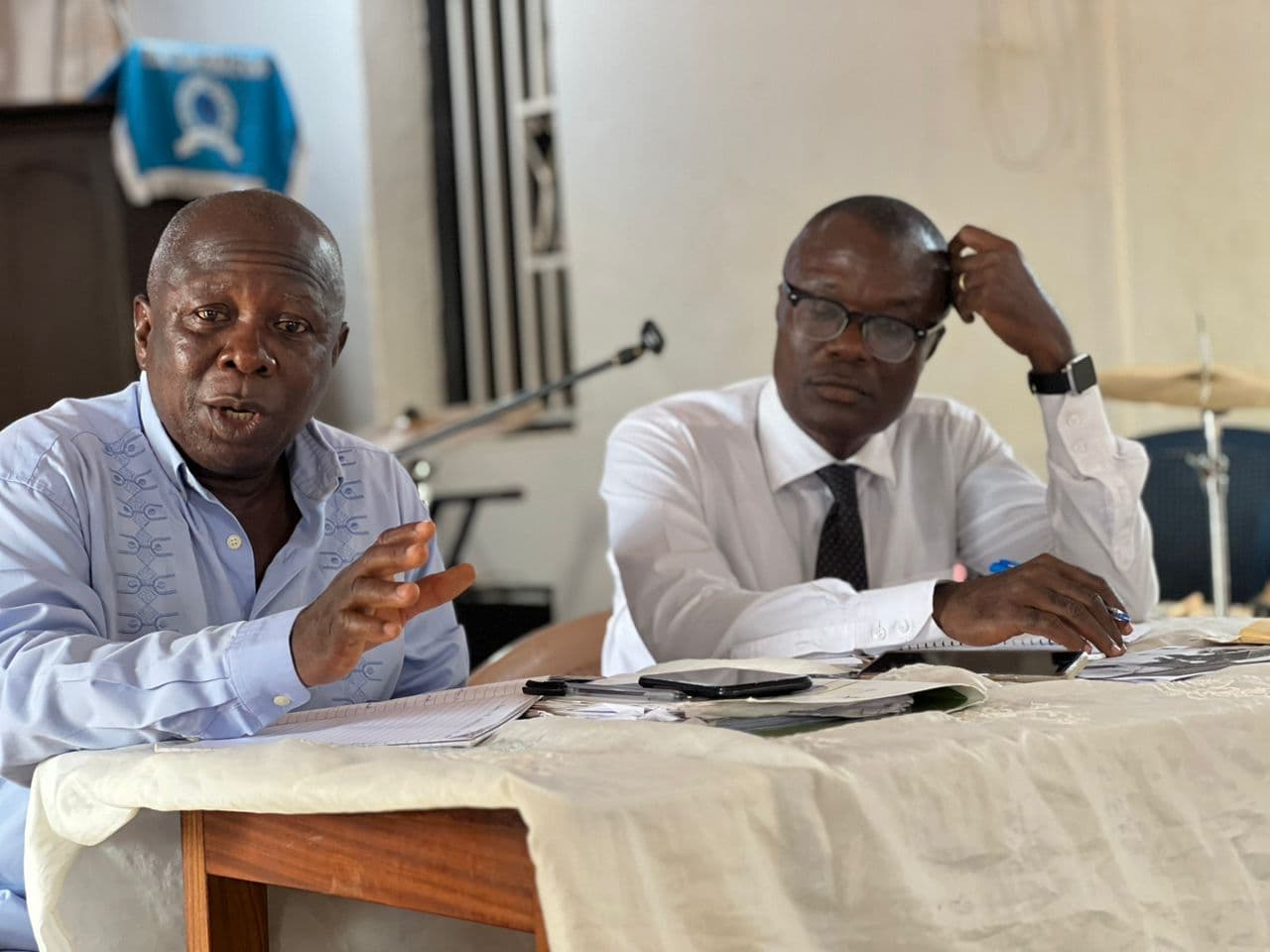
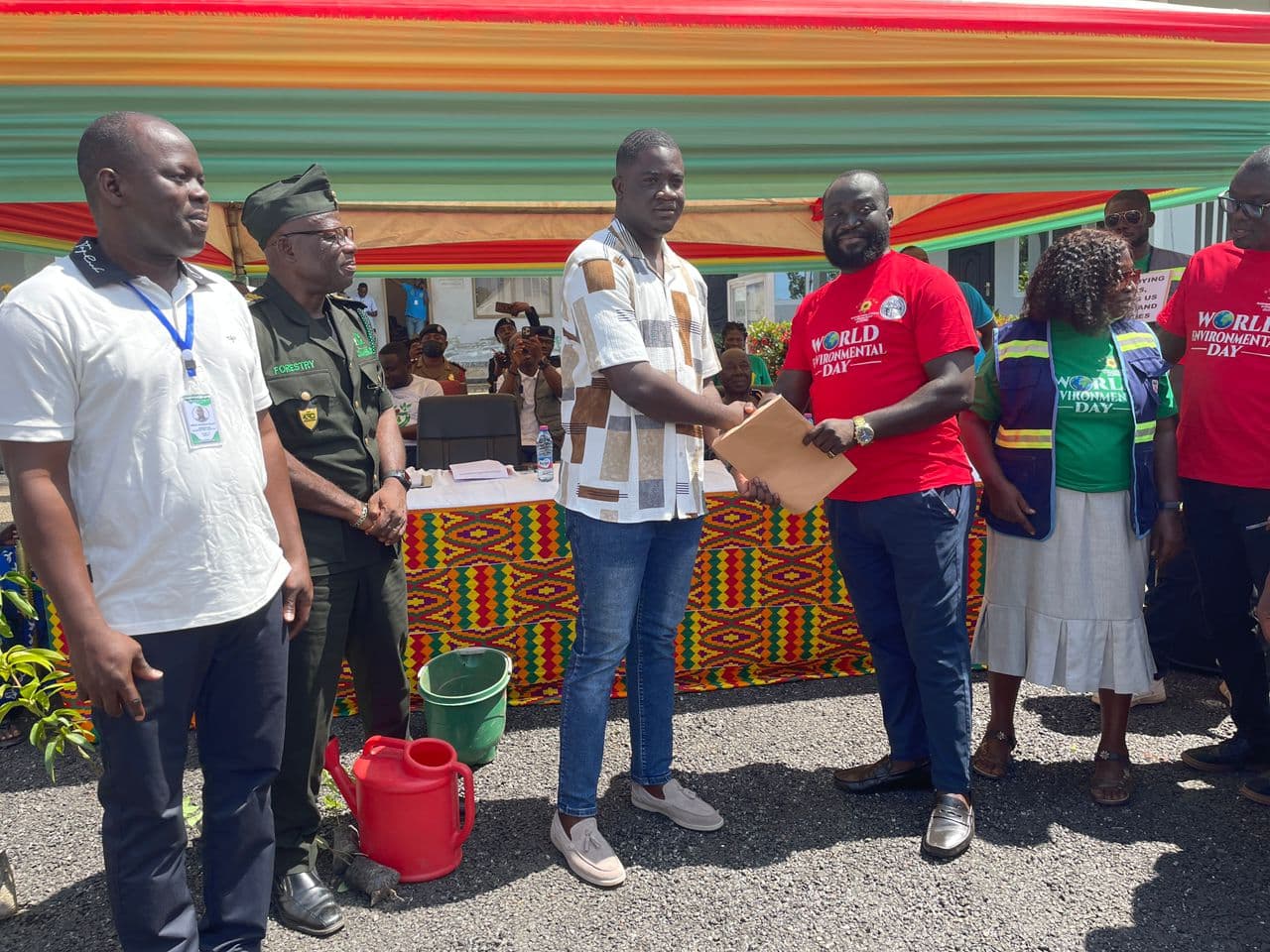
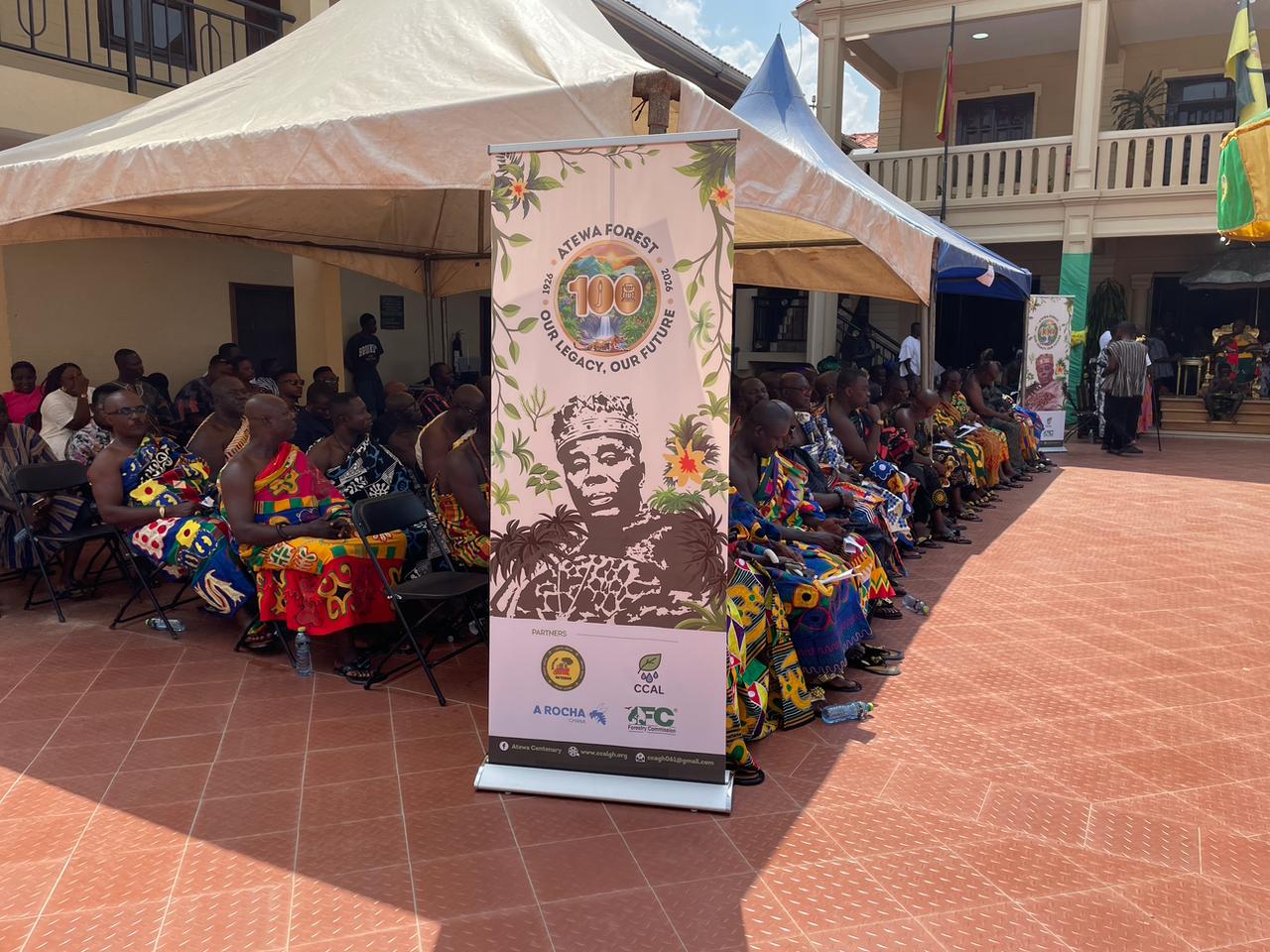
The centenary celebration was officially launched by the Okyehene in collaboration with concerned citizens of the Atewa landscape, A Rocha Ghana, and the Forestry Commission. Reflecting on history, Osagyefo Amoatia Ofori Panin highlighted the legacy of Nana Ofori-Atta I, noting that his decision to gazette the forest was grounded in a deep understanding of intergenerational responsibility.
“He saw the future and committed to protecting the forest by gazetting it. That was true foresight,” the Okyehene said. “He knew the forest was rich in minerals, but he also understood that it was essential to our livelihoods. That is why he cautioned us not to touch it. One hundred years ago, that decision was taken, and it still guides us today.”
He stressed that leadership remains the single most important factor in protecting the forest, reaffirming his personal commitment to conservation. He warned against mining activities, particularly bauxite extraction, and raised concerns about the encroachment of foreigners into parts of the forest.
“Leadership is critical. We have resisted the mining of bauxite, and proponents must explain how mining can occur without destroying the flora and fauna. More worrying is the takeover of parts of the forest by foreigners. We may not have soldiers and guns, but we will not relent. I urge my chiefs to stand firm. Protecting Atewa is the most important duty we owe to generations yet unborn.”
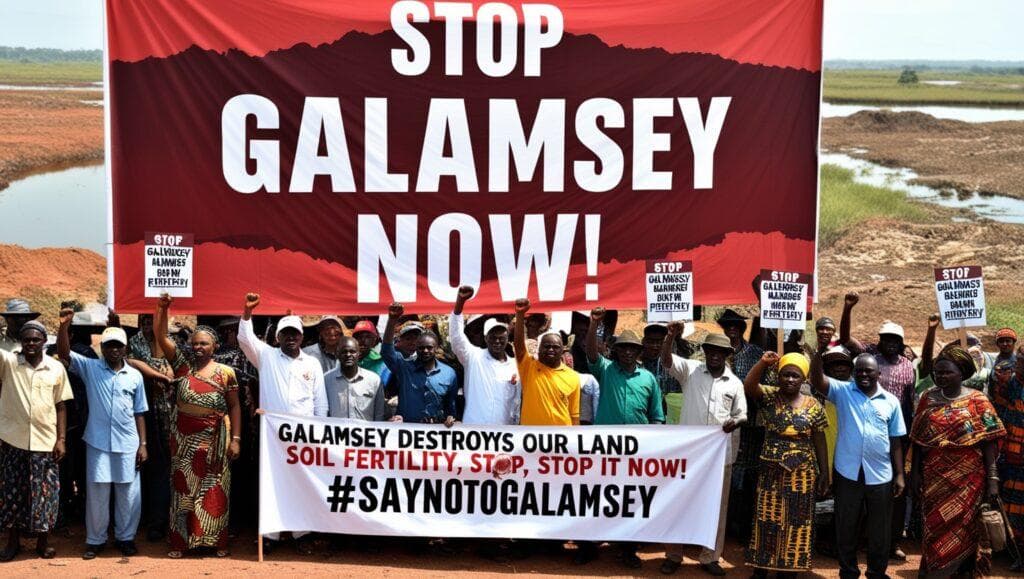
The Abuakwa South Municipal Chief Executive, Nana Addo Aikins, echoed these concerns, noting that the forest is under increasing threat from illegal mining and logging, with severe consequences for farming, water bodies, and local livelihoods.
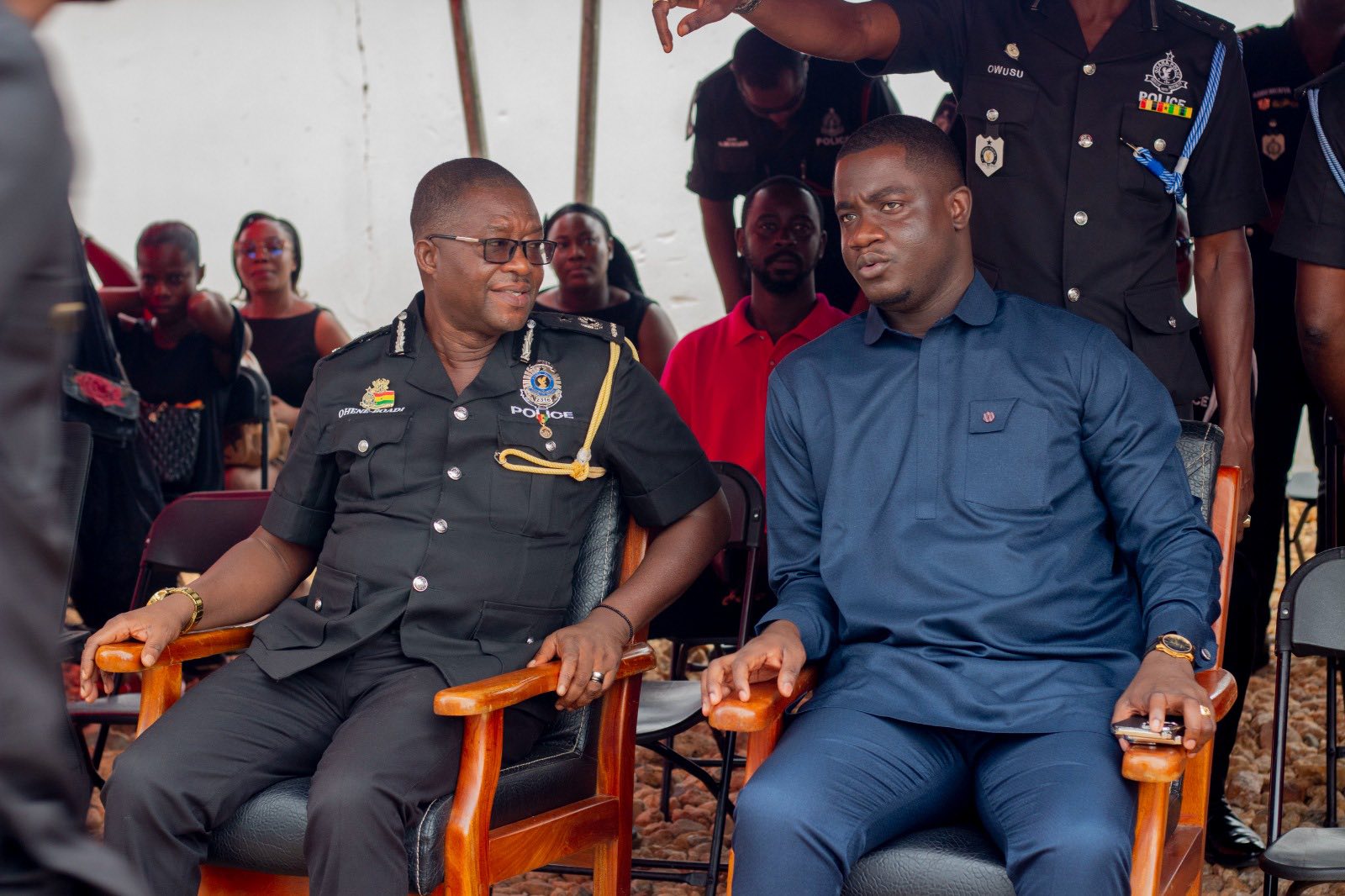
“We are renewing our sacred promise to protect what gives us life,” he said. “For 100 years, Atewa has stood as a silent guardian feeding our rivers, protecting our farms, cooling our climate, and sustaining livelihoods. Yet we must be honest: the forest is bleeding. Illegal mining and destructive activities are endangering our rivers, farmlands, and the future of our youth.”
Chairperson of Parliament’s Select Committee on Security and Intelligence, Dr Zanetor Agyeman-Rawlings, emphasized that economic development must never come at the expense of environmental integrity.
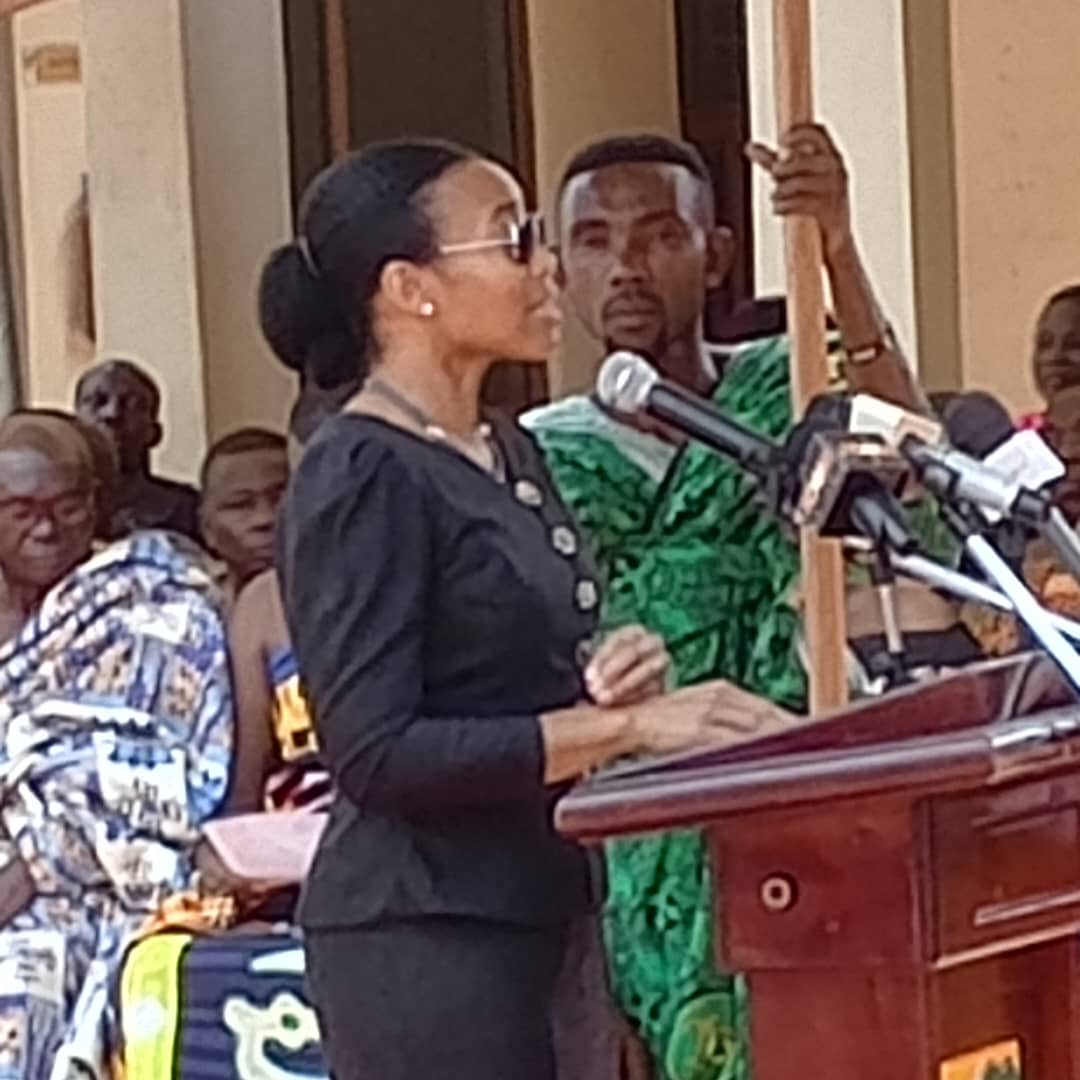
“The surge in illegal mining threatens food security, water security, and human security,” she said. “We are nothing without our environment. Destroying our flora and fauna violates not only nature but also human rights. Protecting Atewa is, fundamentally, protecting the rights of generations unborn.”
Adding to the call for stronger protection, the National Director of A Rocha Ghana, Dr Seth Appiah-Kubi, stressed that Atewa’s significance extends beyond Ghana and warrants urgent elevation to national park status.
“Atewa is an ecological site of global importance,” he said. “Designating it as a national park would significantly strengthen protection and unlock opportunities for sustainable ecotourism development.”
Plans to mine bauxite in the Atewa Range Forest Reserve continue to face strong opposition from civil society groups and other stakeholders, who argue that such activities are incompatible with the forest’s ecological and social value.
In line with Sustainable Development Goals 11, 13, 14, and 15, speakers called on the government to lead a renewed national commitment to biodiversity protection and sustainable conservation practices by 2030.
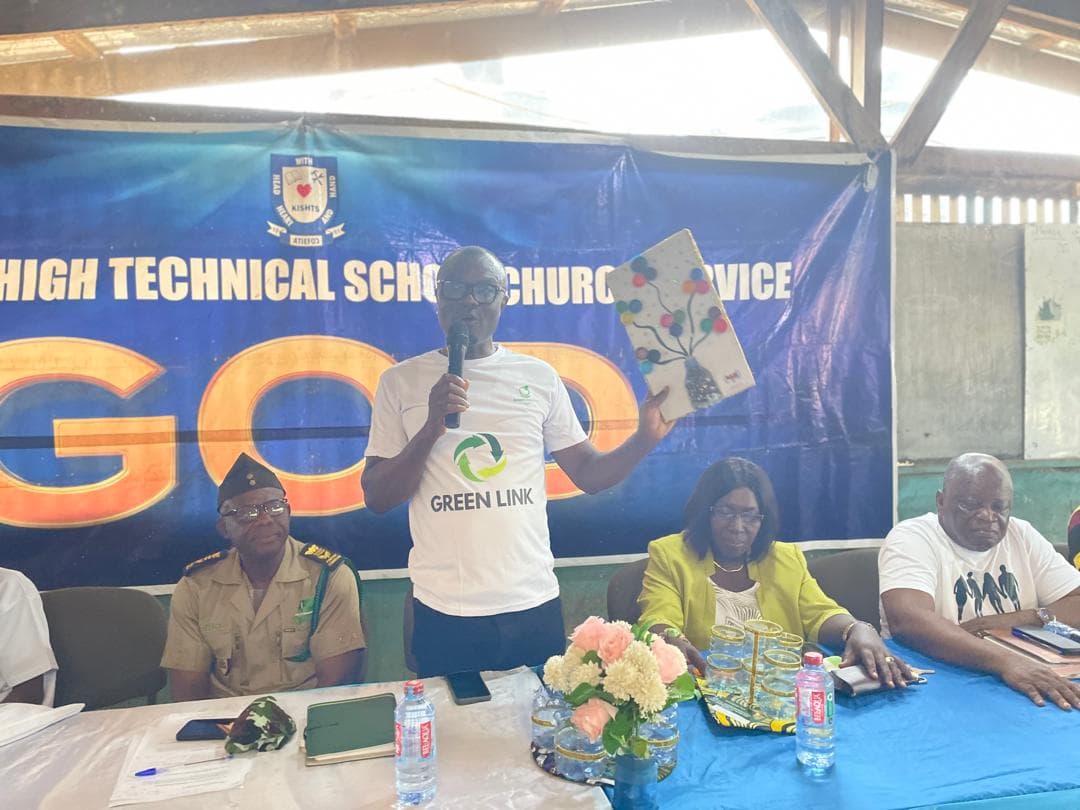
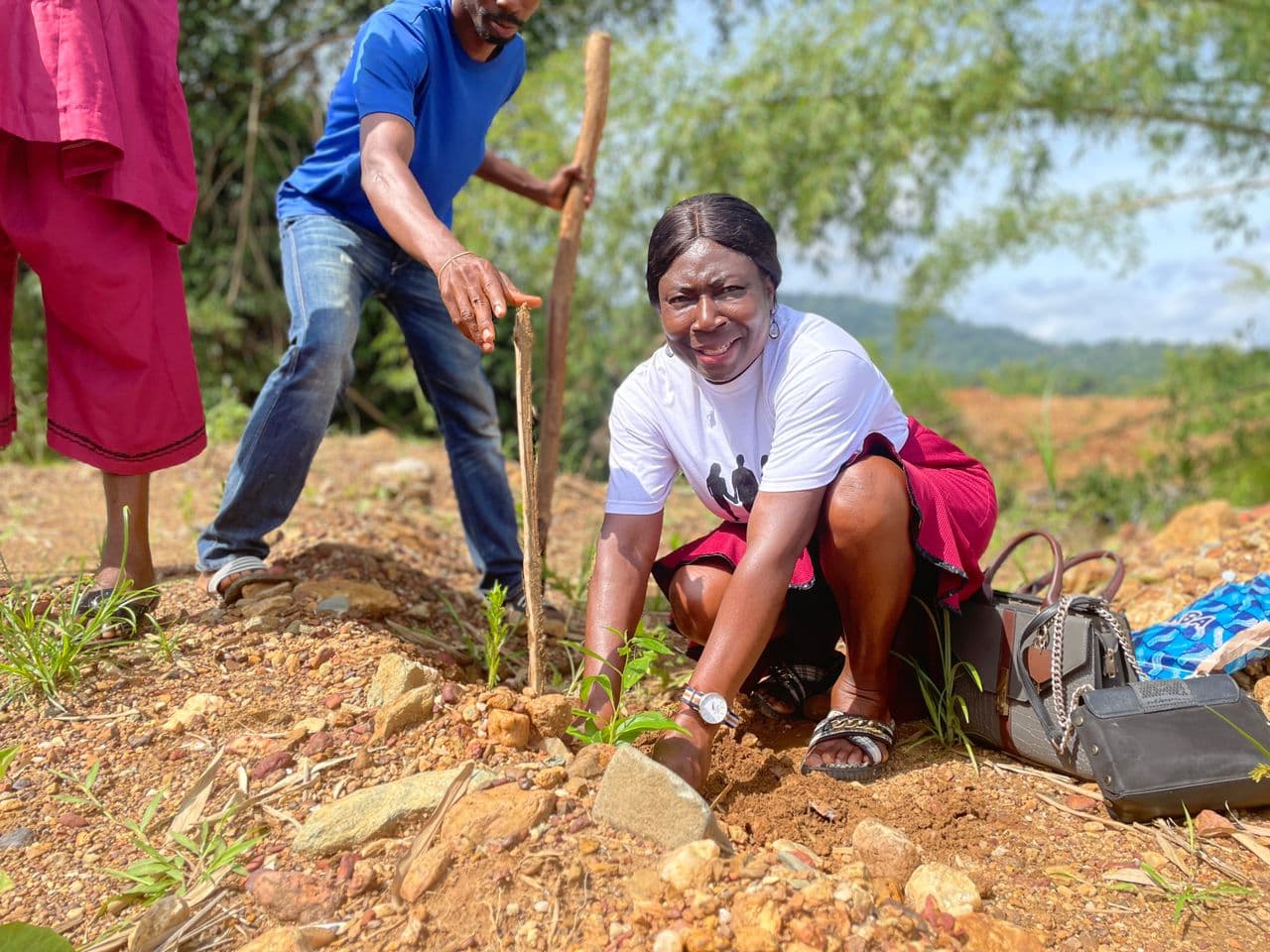
The centenary celebration is being held under the theme “Our Legacy, Our Future” and will feature a series of activities, including stakeholder dialogues, cultural events, educational campaigns, tree-planting exercises, and policy engagement aimed at ensuring that Atewa remains protected for the next hundred years and beyond.
More recent news